
Supporting Kids Through School Avoidance After Trauma
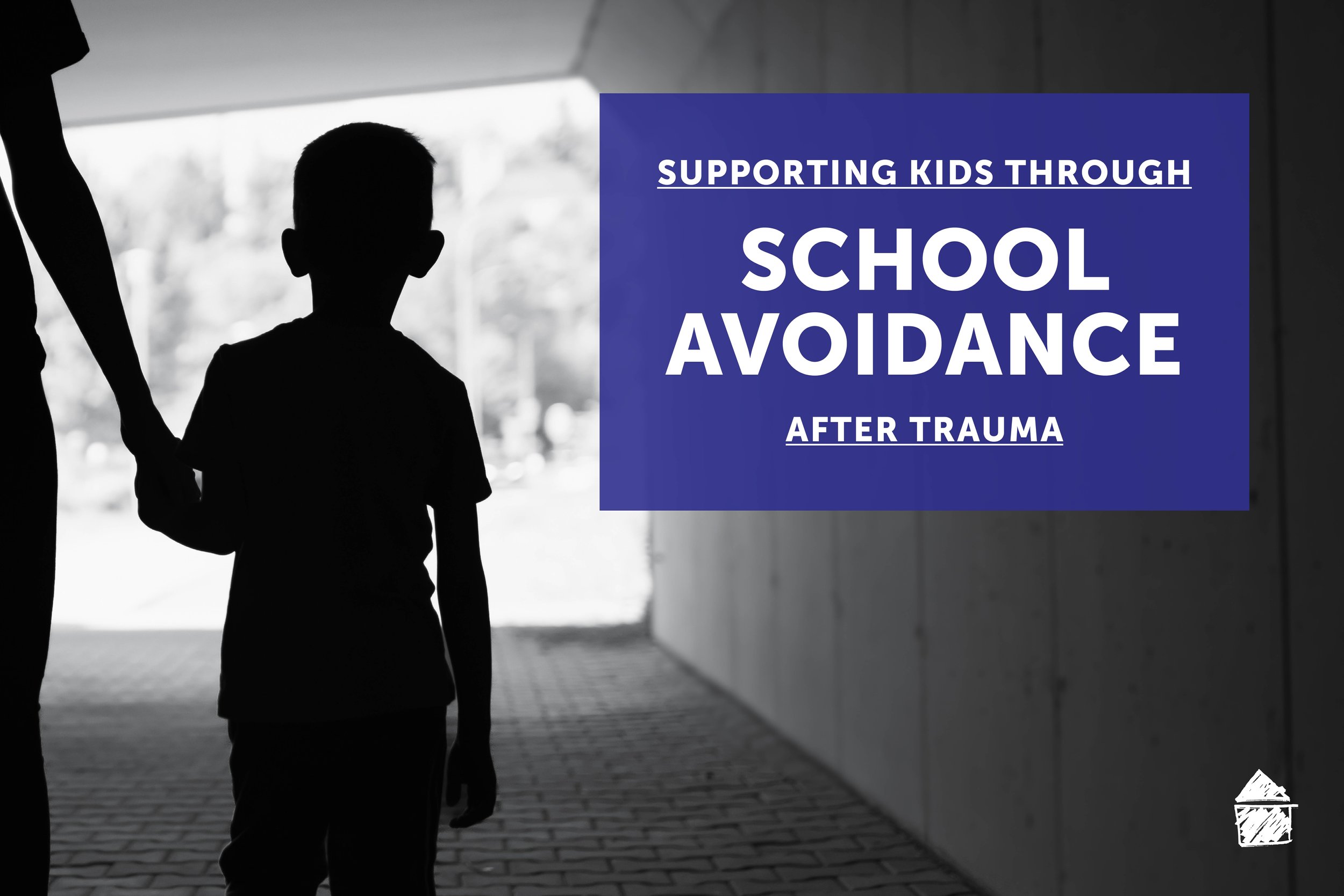
It’s not unusual for children who have experienced trauma to struggle with returning to school. For some, school can feel overwhelming, unsafe, or simply “too much,” even if the trauma didn’t happen there. This can lead to what’s called school avoidance: refusing, resisting, or finding excuses not to go.
Why It Happens
Heightened anxiety: Trauma can leave kids feeling constantly on alert, making crowded or noisy environments hard to handle.
Loss of focus or motivation: Emotional exhaustion can make schoolwork feel impossible.
Fear of separation: After trauma, some kids worry about being away from their safe person or place.
Triggers at school: Sounds, topics, or even certain people may remind them of the trauma.
How Parents Can Help
Listen first: Avoid jumping straight to assumptions or solutions. Ask what feels hard about school right now.
Validate feelings: Acknowledge that what they’re experiencing is real and tough, even if it doesn’t fully make sense to you.
Collaborate with the school: Work with teachers, counselors, and administrators to create a gradual return plan or provide extra support. Collaborate on ways to ease the transition.
Emphasize the positives: Gently remind your child of what they enjoy about school—seeing friends, learning a favorite subject, or playing at recess. Highlighting these positives can make the idea of returning less daunting.
Encourage hobbies and interests: Whether it’s art, music, sports, or building with Legos, activities that spark joy and confidence can help kids rebuild a sense of normalcy. Success and enjoyment in one area often boost resilience and make returning to school feel less overwhelming.
Model calm and consistency: Kids take their queues from adults. Your steady presence and reassurance will help with emotional regulation and building confidence.
Check yourself, too: Sometimes parents unintentionally enable school avoidance because of their own guilt—wishing they could have protected their child from trauma. It’s important to notice those feelings and remind yourself that helping your child re-engage with school is a crucial step in their healing.
Seek professional support: Trauma-informed therapists and school counselors can provide coping strategies and ongoing guidance.
A Gentle Reminder: Healing Takes Time.
School avoidance isn’t about defiance—it’s a signal that your child’s nervous system is still recovering. With patience, collaboration, and support, most children gradually regain confidence and re-engage with school successfully.