

Resources
Did you know that 1 in 10 children will be sexually abused before their 18th birthday? While this statistic is disheartening, it doesn’t have to be this way. By getting informed and learning new ways to engage with the children in your life around this topic, together we can build communities that defy this reality. We have provided a collection of resources to support you in keeping kids safe.

Sextortion: How to Protect and Support Your Child
Sextortion is a form of sexual exploitation where someone threatens to share images, videos, or private information to pressure a child or teen into sending more sexual content, money, or complying with other demands. It often begins online and can escalate quickly.

Helping Kids Cope with Big Emotions After Trauma
Emotional dysregulation happens when a child or teen struggles to manage their feelings in ways that fit the situation. All kids get upset at times, but when a child is emotionally dysregulated, their reactions may feel bigger, stronger, or last longer than expected. Learn more…

Success Story: Inspired to Pursue Justice
At just 13 years old, Kennedy found the courage to share a painful truth—that the abuse she saw on screen had happened to her too. Thanks to the support of her parents and the multidisciplinary team at the Children’s Advocacy Center, she began a healing journey that would change her life forever.
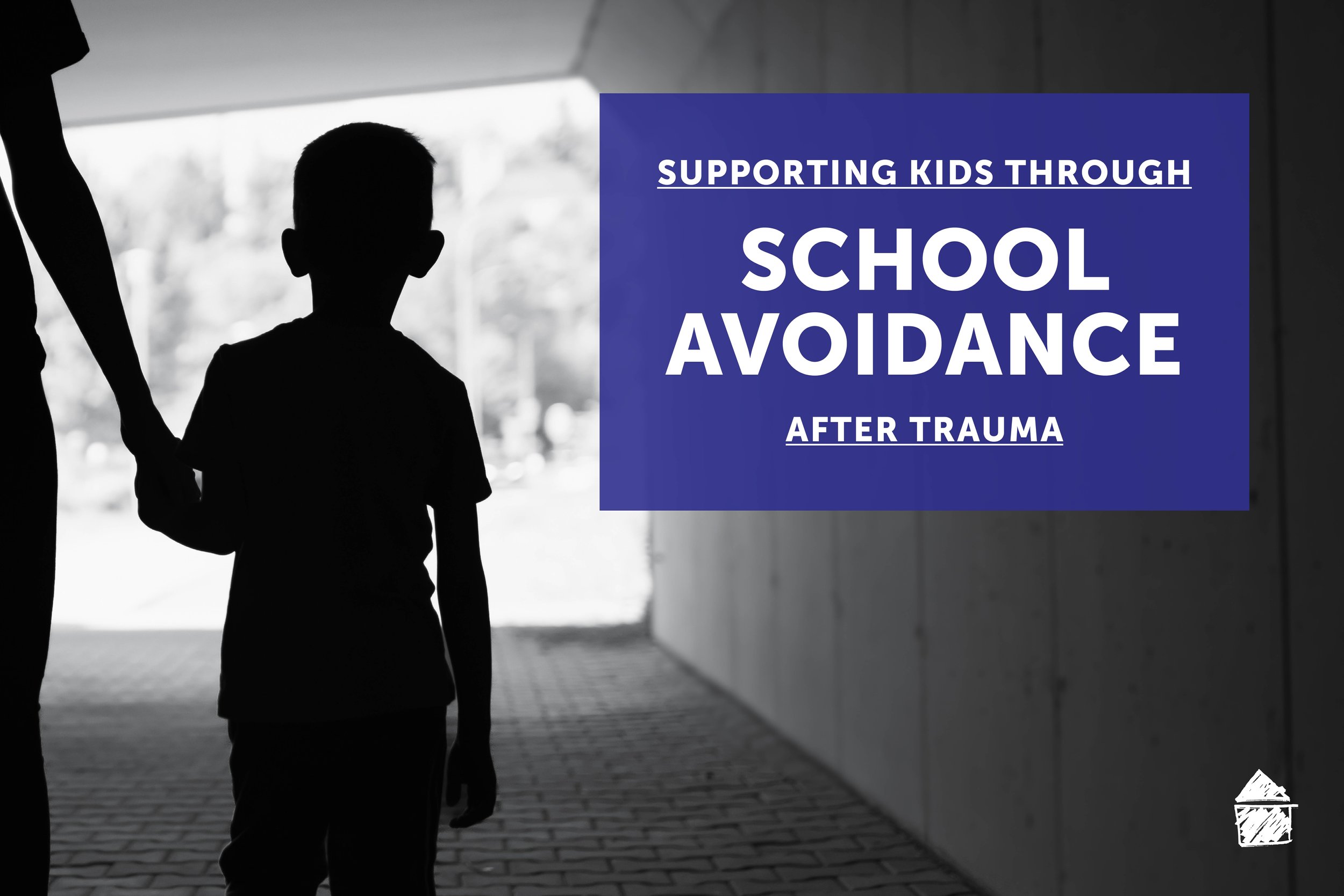
Supporting Kids Through School Avoidance After Trauma
It’s not unusual for children who have experienced trauma to struggle with returning to school. For some, school can feel overwhelming, unsafe, or simply “too much,” even if the trauma didn’t happen there. This can lead to what’s called school avoidance: refusing, resisting, or finding excuses not to go. Learn why it happens and how you can help.
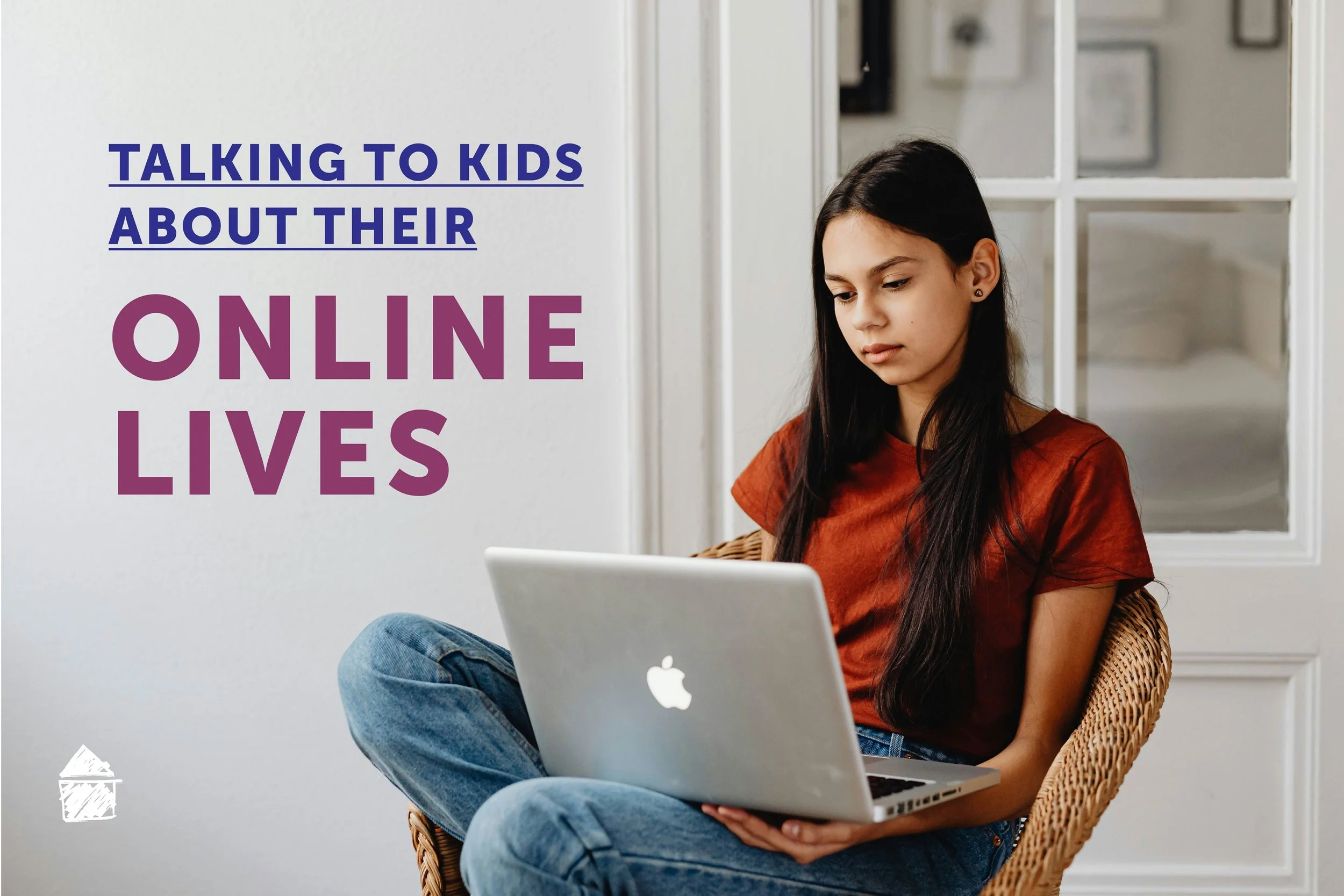
Talking to Kids About Their Online Lives
Our kids are spending more of their lives online than ever before, and for them, it’s not unusual—it’s just everyday life. Social media, gaming, and online communities are where they connect, create, and sometimes even struggle. As parents/ caregivers, one of the best ways we can support our kids is by initiating honest conversations about what’s happening in those spaces.

5 School Safety Reminders
As kids head back to school, it’s the perfect time to check in with older children about safety, boundaries, and healthy relationships. Here are a few key reminders…
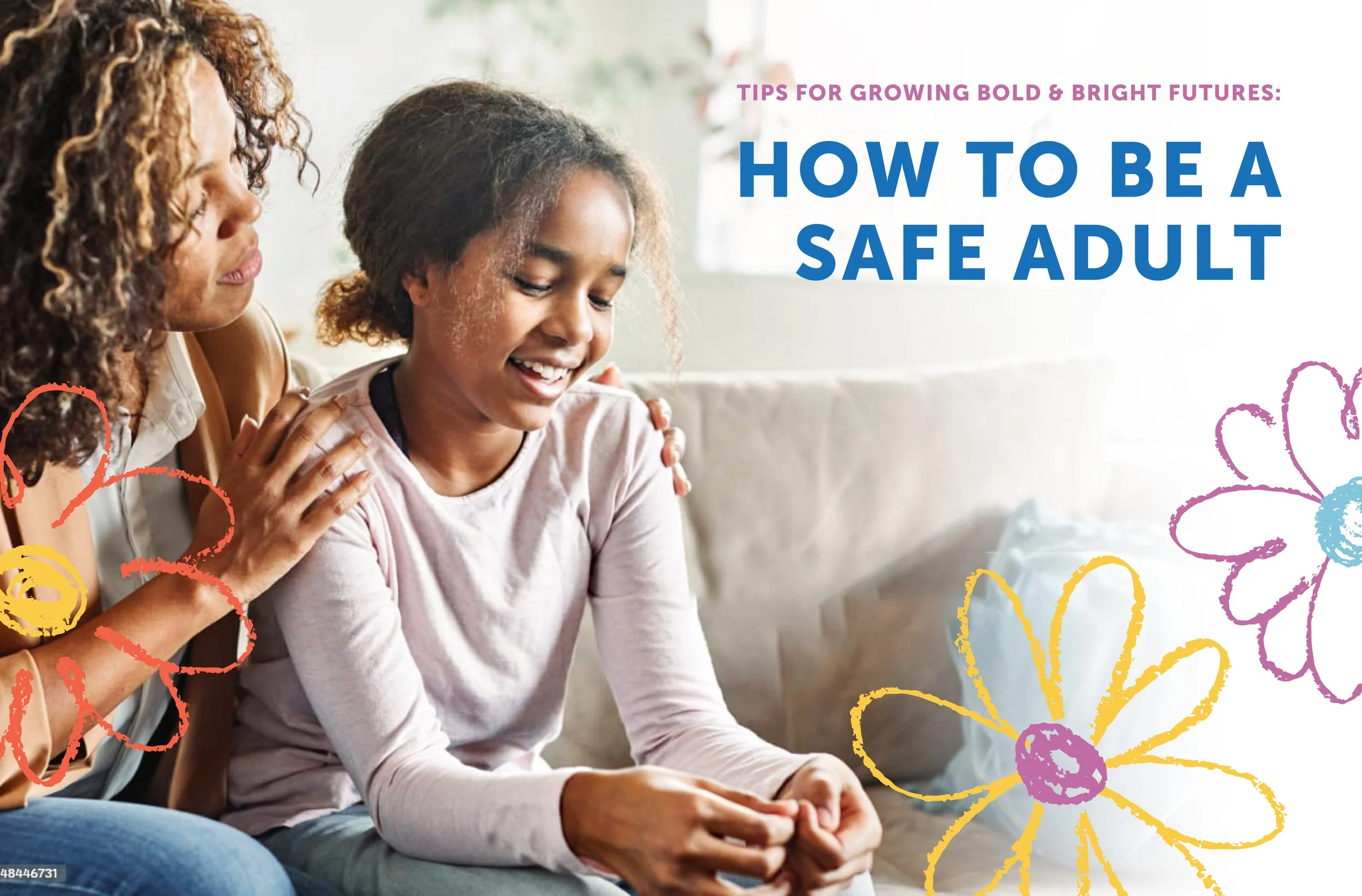
How to Be a Safe Adult
Safe adults are critical to disrupting child abuse. It is the responsibility of adults to protect and advocate for the wellbeing of our community kids. The earliest intervention possible maximizes the conservation of the childhood experience, ensuring kids can move towards a brighter, healthier future not consumed by abuse.
Models of Prevention
Primary prevention means stopping abuse before it happens. This is the most familiar level of prevention. Even if abuse has already occurred, there are still opportunities to prevent it from continuing. Read more about the levels of prevention and how we provide them at the CAC.

Success Story: A Family Experience
The CAC became our home away from home when we lost our normal. It is a place for children. From the building itself, spaces, decor, and interactions with the staff, we knew we were safe! That was the most important thing.

Things to Know Before Kindergarten
Parents and caregivers are critical to preventing and interrupting child sexual abuse. While we may initiate conversation, we want to ultimately empower parents to continue talking with their kids about safety from abuse.
Frequently Asked Questions About Child Sexual Abuse
Answers to some of the most frequently asked questions about Child Sexual Abuse, including what it is, who is most at risk, commons perpetrators, and grooming.

Success Story: 10 Year Old Girl
A 10 year old girl was asked, “What gave you the courage to talk to someone about your abuse?” The girl said she heard in a prevention presentation at school that she would not get in trouble for speaking up.
Healthy Sexual Development in Children
As a parent in the digital age, it can be hard to keep up with your child and their technology use. We have provided some helpful resources to best inform you, as a parent or caregiver, on how to best protect your child against the dangers of technology. These resources are most beneficial when paired with good communication.

Internet Safety
As a parent in the digital age, it can be hard to keep up with your child and their technology use. We have provided some helpful resources to best inform you, as a parent or caregiver, on how to best protect your child against the dangers of technology. These resources are most beneficial when paired with good communication.
Body Safety & Boundaries: 10 Tips for Parents
You can start to teach your child about body boundaries and safety as soon as they can talk. Here are some tips that can help.

Recognizing the Signs of Abuse
The majority of sexually abused children do not display signs of child sexual abuse making it often difficult to recognize child sexual abuse. The easiest way to identify sexual abuse is through disclosure; however, many children do not disclose or delay disclosure. If a child does not disclose, we must rely on any available physical or psychosocial signs of child sexual abuse.